
2026
A Quick Little Vacation Story
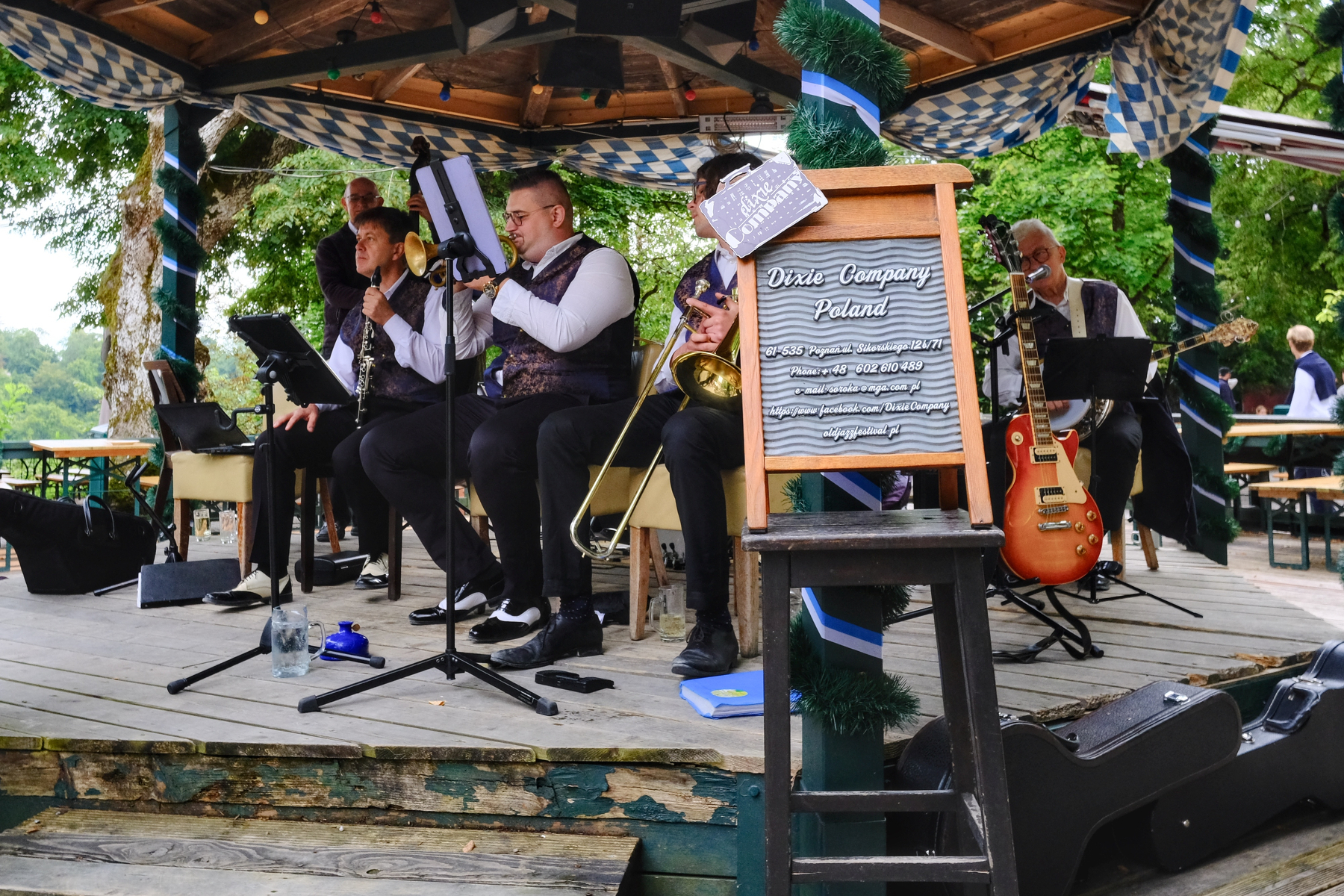
Testing out how longer posts in micro.blog look while cross-posting to bluesky and mastodon, so here’s an unremarkable story about a pleasant day I had on vacation. If you find yourself on a self-guided tour of the bike trails along the Isar just south of Munich – and I mean, who doesn’t at some point in their life? – I highly recommend following the signs to Waldwirtschaft, a lovely biergarten right off the bike trail. I had a beer and a currywurst and listened to a trad jazz group from Poland, possibly one of the most pleasant afternoons I’ve ever stumbled into.

Some Professional News - Plural is Now Part of SAI360
In October 2021 I joined a small startup that was building bill tracking software for Congress and state legislatures. On December 1st, we announced that SAI360 has acquired Plural, ending a four-year chapter of my professional life and starting a new one as Senior Director, Engineering at SAI360. So far everyone I’ve worked with at SAI360 has been talented and thoughtful, and it looks like we’ll have interesting and valuable work to do together. I’m also happy to report that we’re keeping the Plural product operating and the team intact.
It would be negligent not to mention that there were many people who contributed to Plural’s growth that were not employees at the time of acquisition (or ever). We benefited from the work of advisors, contributors to the Open States project, contractors, and employees who left the company for whatever reason. If you’re one of those people, please know that I appreciate your contribution, large or small, and the chance to work with you, even if briefly. Thank you! One of the great joys in life is to do difficult but meaningful work with talented and kind people, and Plural has given me many such opportunities over the years.
The tradeoffs of working in a startup vs. a more mature company are well documented out in the world, but if I have any modicum of useful analysis or advice to add, now feels like my best chance. At a high level: expect more agency but less predictability, many chances to grow in responsibility but probably not a short-term-maximal salary. Startups can be stressful, but so can big company jobs - sometimes life is about picking your flavor of hassle rather than avoiding it entirely
For those looking for a comprehensive guide, the book on startup engineering that I found most useful personally was Will Larson’s An Elegant Puzzle. I’d recommend it with the caveat that Larson’s advice is colored by his experience at very successful tech companies in hyper-growth mode, so readers should season to taste.
One practice for startup employees that I’ve found challenging and important is being really honest and disciplined about time scales. Working at a 5-50 person company means that there is probably some project that you can complete this week to materially affect the success of the business, and somewhere around 75-95% of your effort should be on that thing. On the other hand, it’s also important to do some amount of planning for the world 3-9 months ahead and make calculated investments that will pay off in that timeframe. When I tried to predict what challenges the team would face more than a year in the future, I was often pretty far off, so I think it makes sense to cut off your planning horizon before then (or, perhaps, be better than me at predicting the future!). I don’t think the ability to switch contexts crisply between an immediate challenge and a hazy vision of the future comes naturally to anyone, but I think with practice and intention I’ve gotten a little better at it.
Another idea that I keep coming back to, something between a personal productivity strategy and an emotional koan: There Will Be A Next Thing. At any given moment, The Thing might be: a looming deadline, a complex disagreement, an ill-defined but important project, an uncertainty about the future, a negative change in the world outside anyone’s control. The Thing will distract you, annoy you, get under your skin, stick in your craw. You will be tempted to think longingly towards the post-Thing world ahead: a peaceful time where, freed from the psychic pressure of The Thing, you can do your best work and think your best thoughts and everything will be “normal”. In those moments, remember: There Will Be A Next Thing.
Maybe this is just literal wisdom of the ancients restated, but at my best I can draw two useful behaviors from this idea in my working life:
- While the team is battling the current Thing, it’s tempting to set aside valuable-but-not-so-urgent work until “later”. The difficult truth is that later (when it will feel easy to clean up old problems) is unlikely to come. This realization should focus our priorities: either the problem is important enough to fix now, or we look it in the face and accept the brokenness, knowing that There Will Be A Next Thing
- At the same time, the Next Thing means that the window for celebrating accomplishments can be fleeting. Seize it! Tell your teammates when they do great work, thank your coworkers for handling tedious-but-necessary tasks, brag about your completed projects to the slack channel and/or the world. And then take a deep breath, a sip of a warm beverage, and prepare to confront the Next Thing.